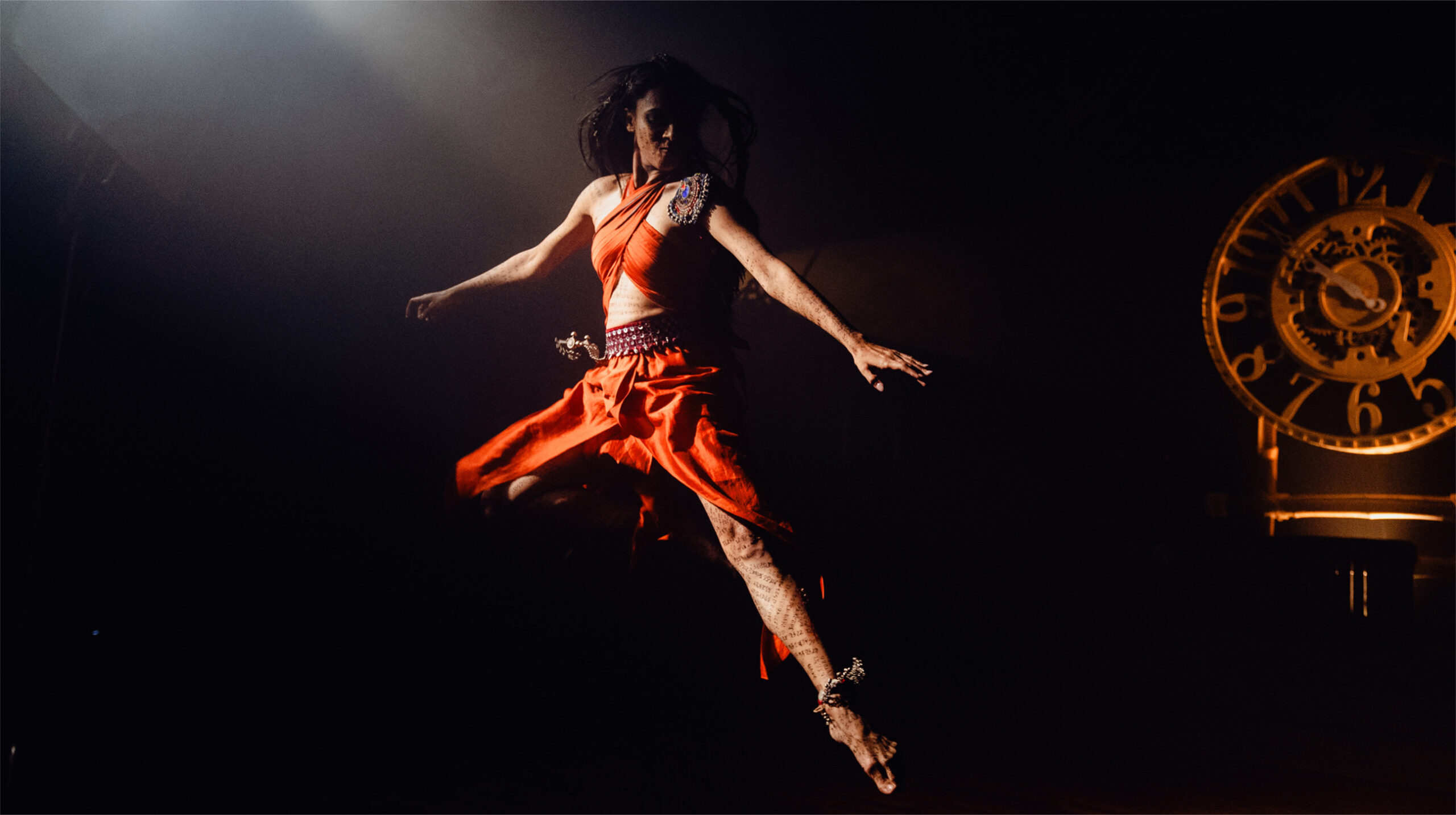
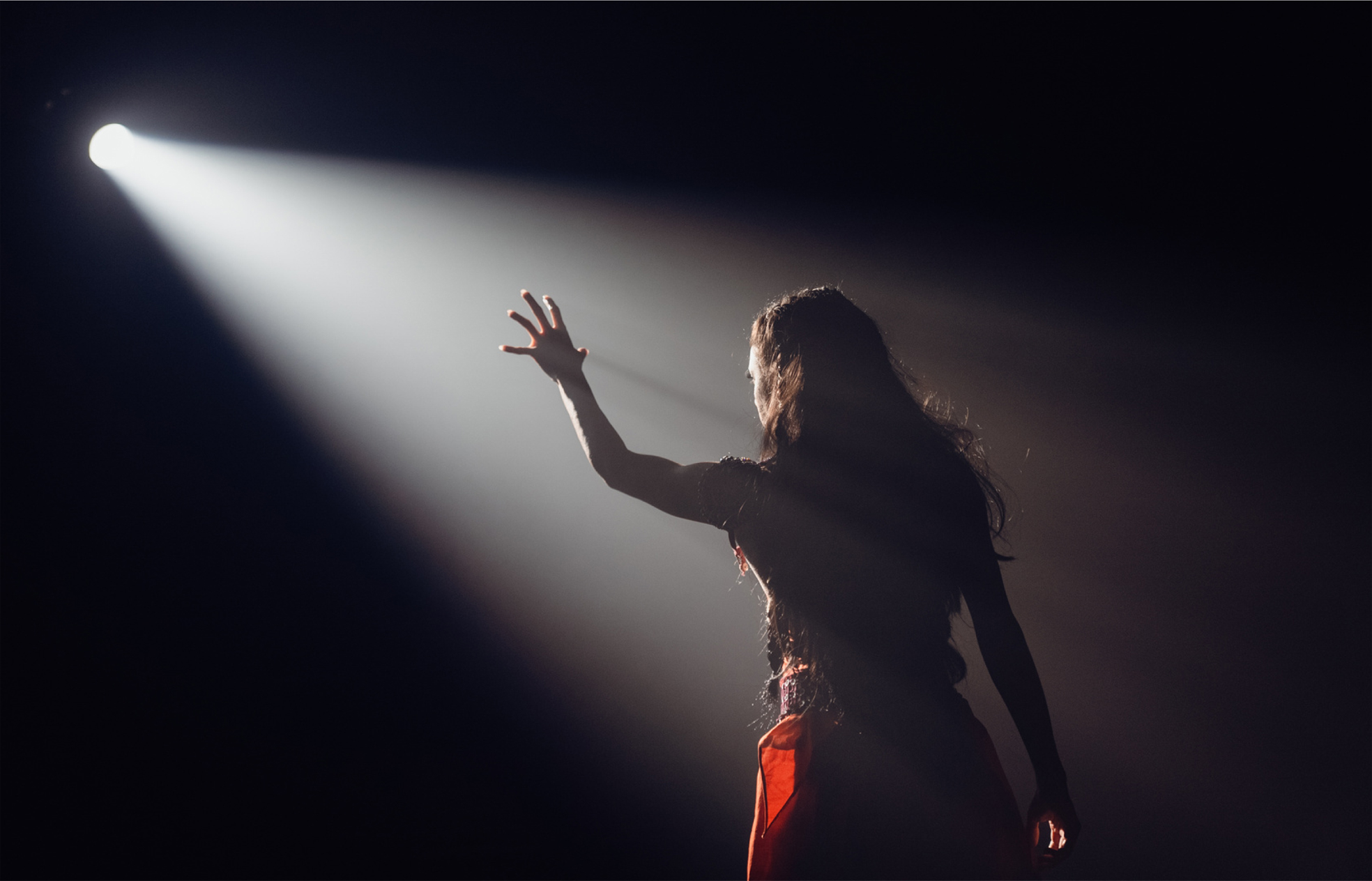
Bodies Have Stories is a poetic collision of movement and memory conceptualised and directed by Mayuri Upadhya, Artistic Director of Nritarutya.

In Bodies Have Stories, she delves into the body as an archive of lived experience, a vessel that remembers, transforms, and reveals. Through dance, photography, and interviews, the project reflects on identity, resilience, and the beauty of imperfection. It uncovers the unseen narratives shaped by struggle and grace, the memories carried in movement, and the truths our bodies speak through form and stillness.

The series unfolds through three distinct visual mediums—Vāchika, Āngika, and Āharya & Sātvika, each offering a lens into the body’s expressive power.

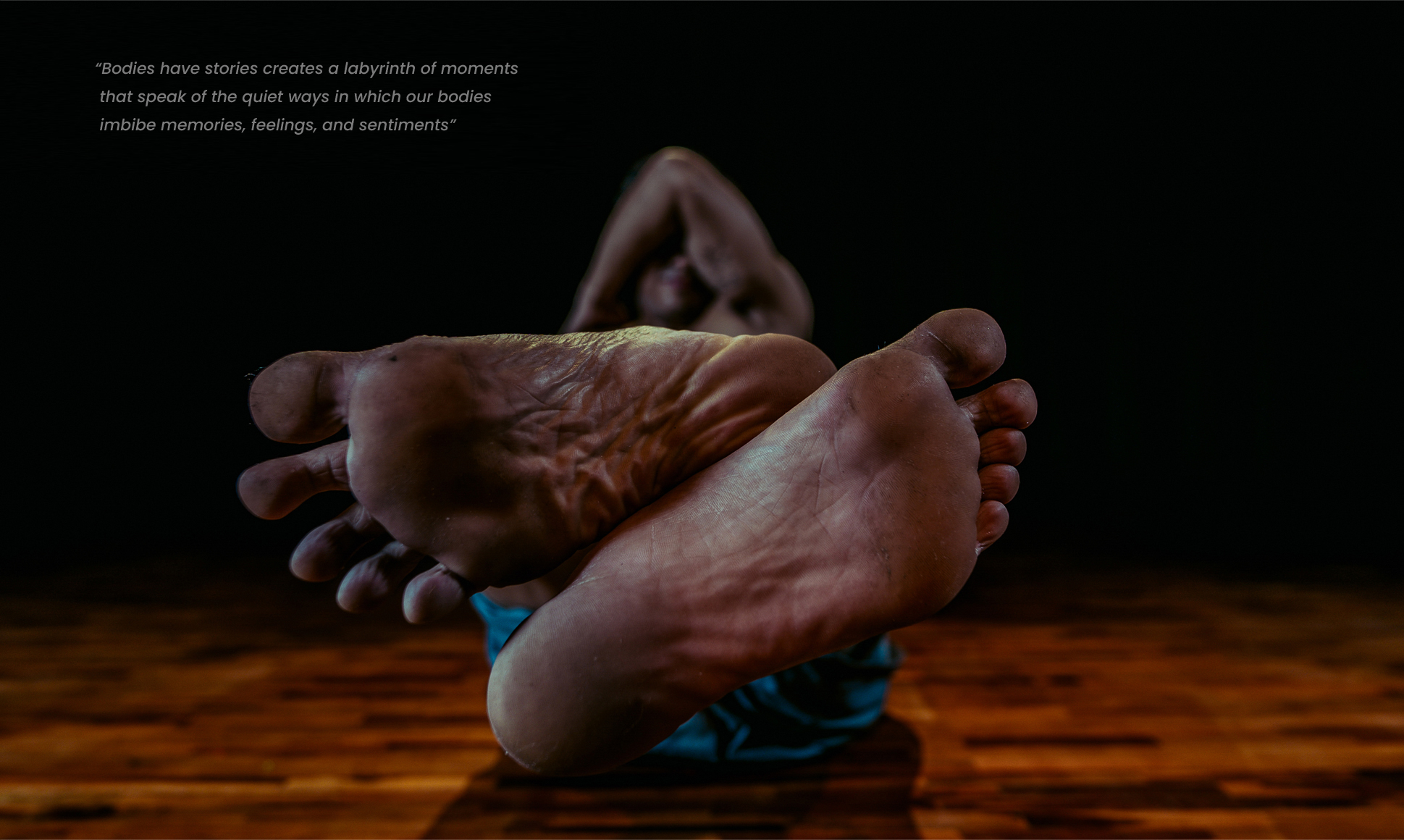
“ What if we freed our spirits to share the stories our bodies have been holding? ”

Bodies Have Stories

Through intimate interviews, or Vāchika, the work captures real voices and lived experiences of resilience and becoming. The still photography segment, or Āngika, redefines how we see the body – beyond form or beauty — offering a raw, visual, and journalistic perspective. The culminating dance film, exploring the spirit of Sātvika, becomes a surreal, interpretive passage through emotion, abstraction, and memory.

Together, these expressions form the pulse of Bodies Have Stories, extending Mayuri Upadhya’s vision of dance as inquiry rather than performance. It invites us to look beyond aesthetics, to listen, to witness, and to honour every body as a living story of strength, memory, and transformation.

” What if we freed our spirits
to share the stories our bodies
have been holding? “

Vāchika

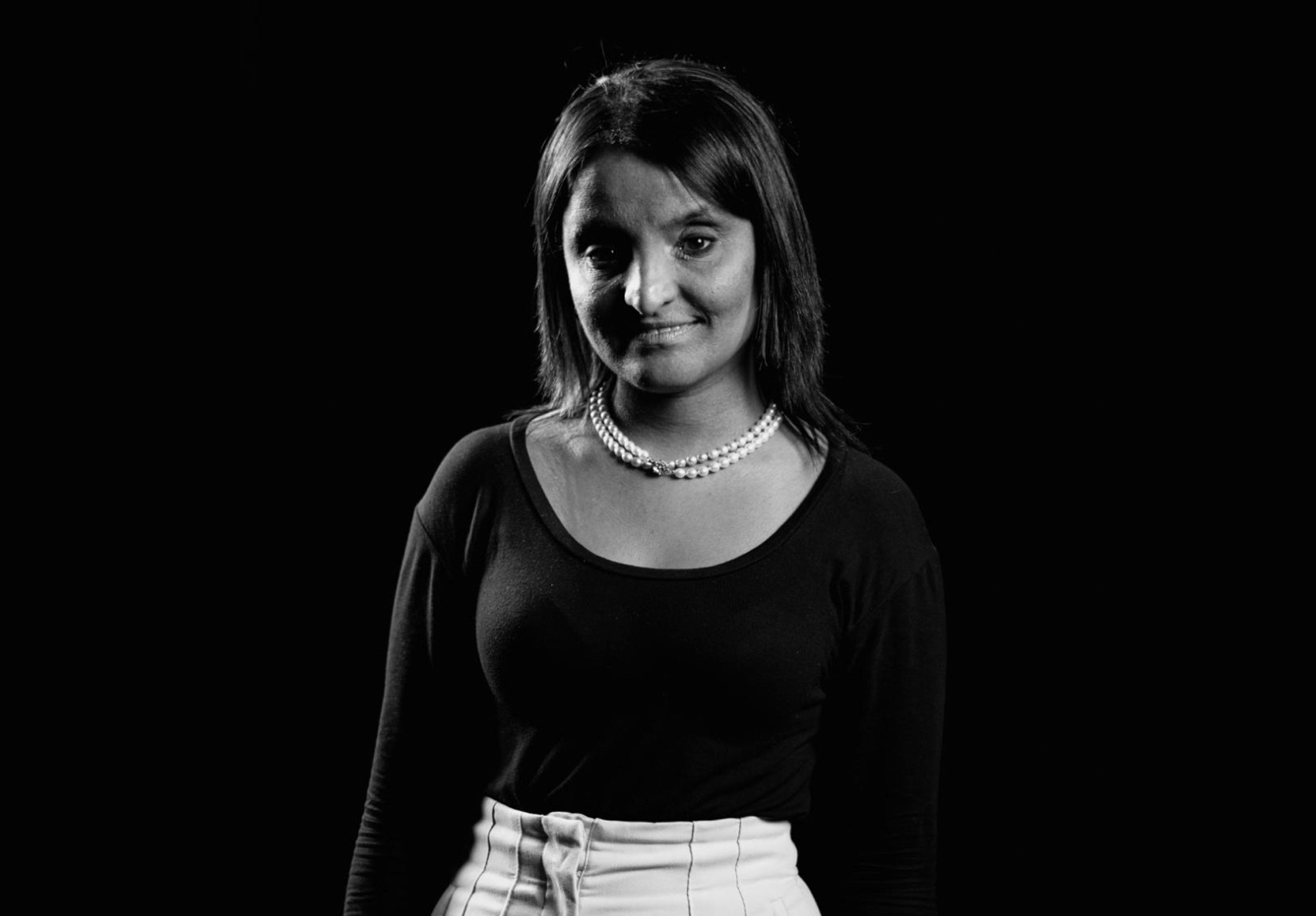
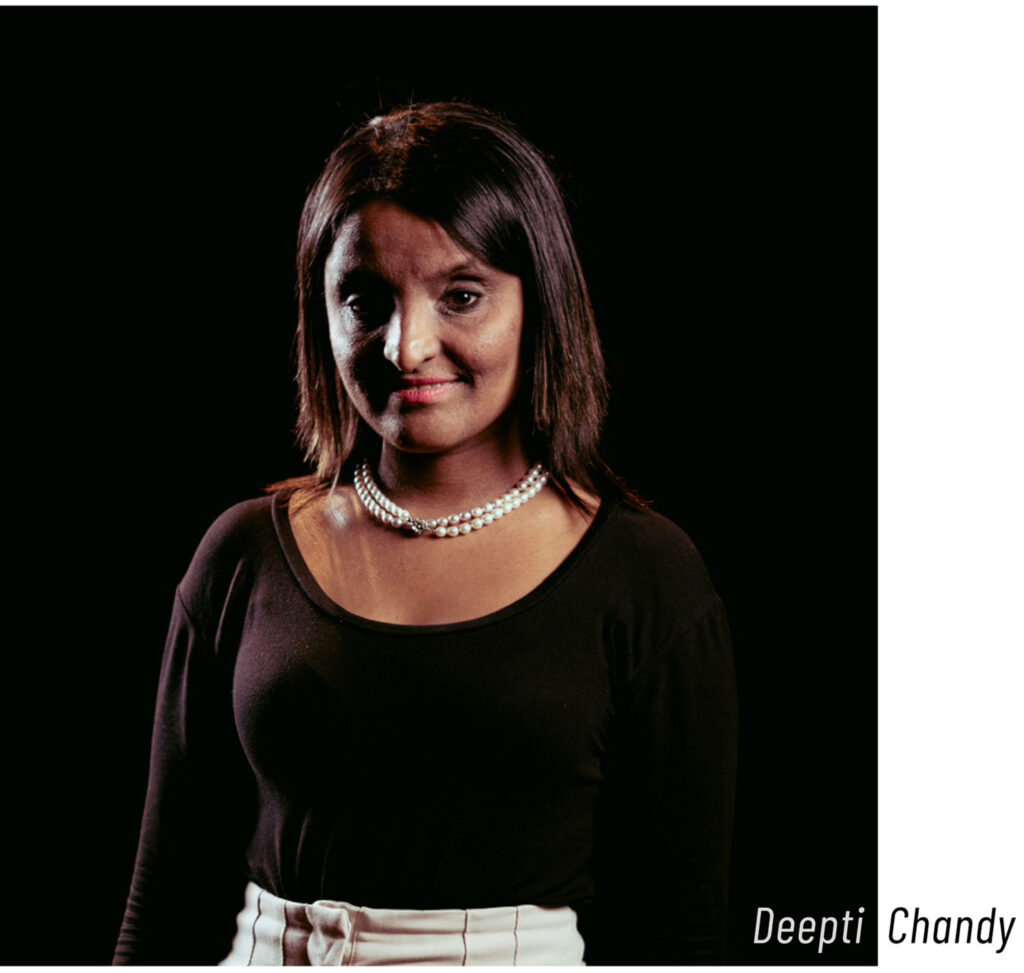
In this compelling series of conversations, Bodies Have Stories brings together voices of remarkable individuals — survivors, creators, and changemakers — who have each redefined their relationship with their bodies in profound ways. From navigating physical transformation and public scrutiny to embracing identity beyond convention, these interviews uncover the courage it takes to be seen as we truly are.

“ What role does your body play in your story?
How does my body want to be represented and heard? ”

Through the journeys of Sunitha Atinus, Neethu Shetty, Deepti Chandy, and Zeeshan Ali, we witness stories of healing, resilience, and self-acceptance. Each dialogue becomes an act of reclamation — a reminder that our bodies are not mere vessels, but living testaments to endurance, evolution, and truth.

Āngika

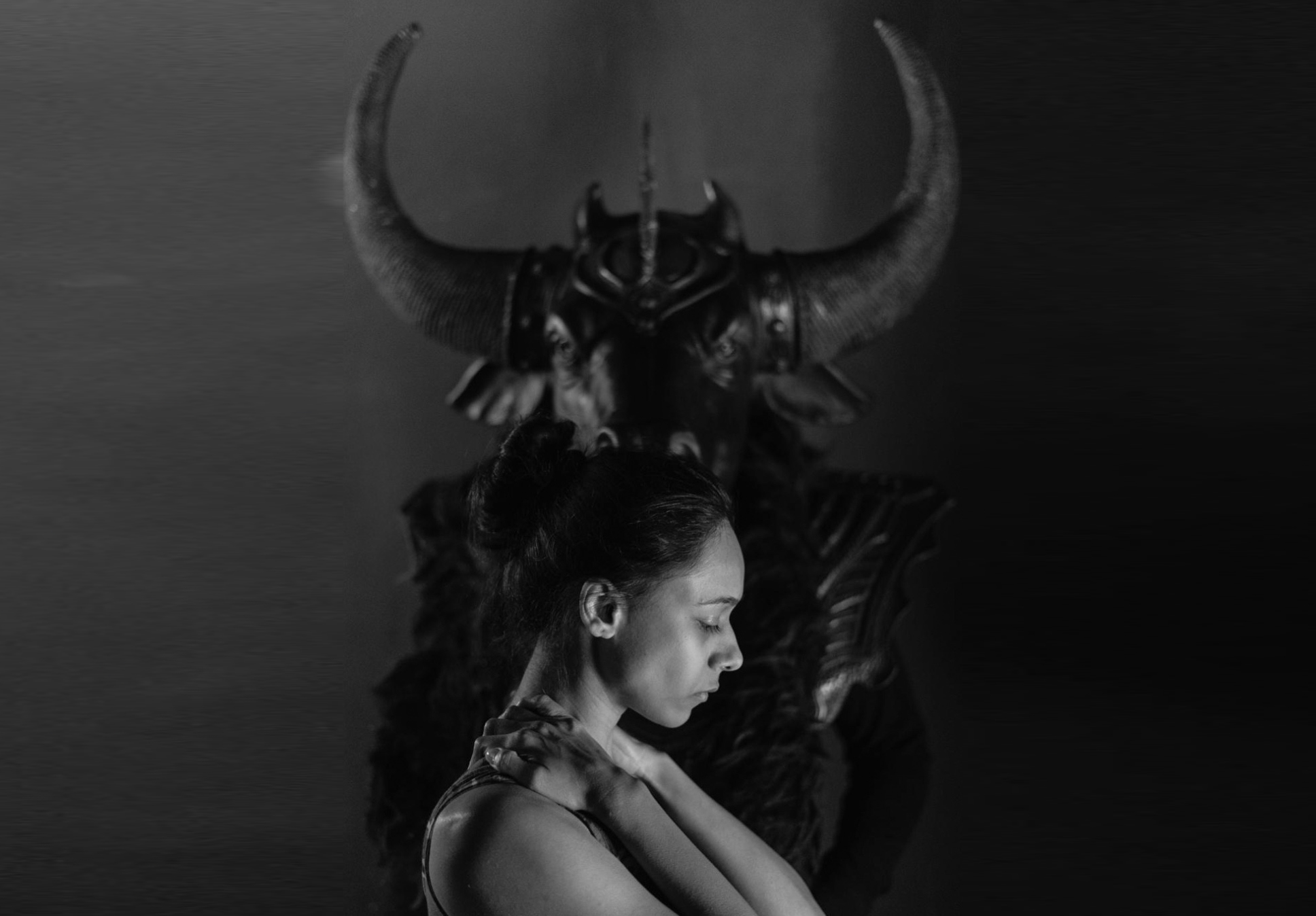
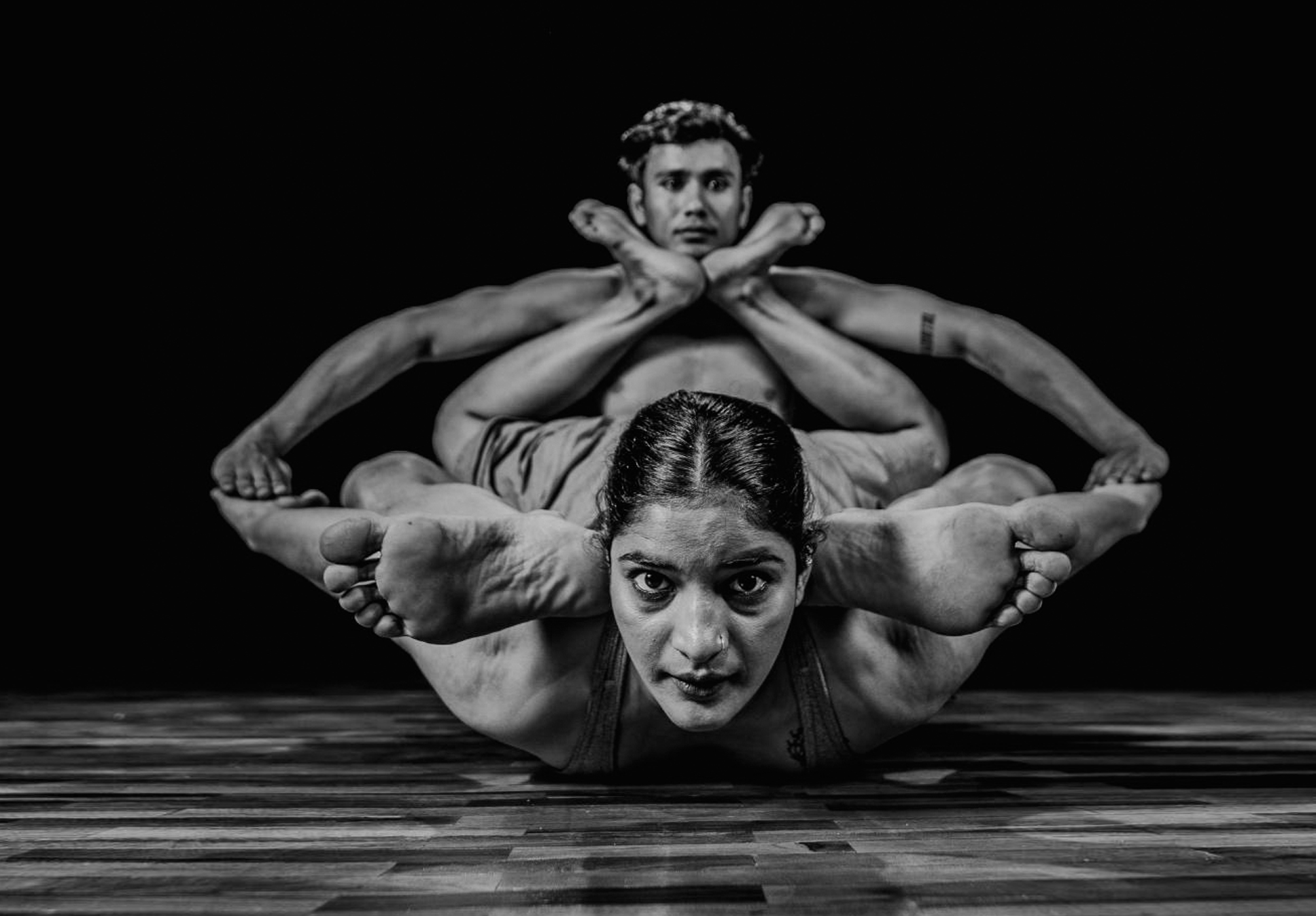
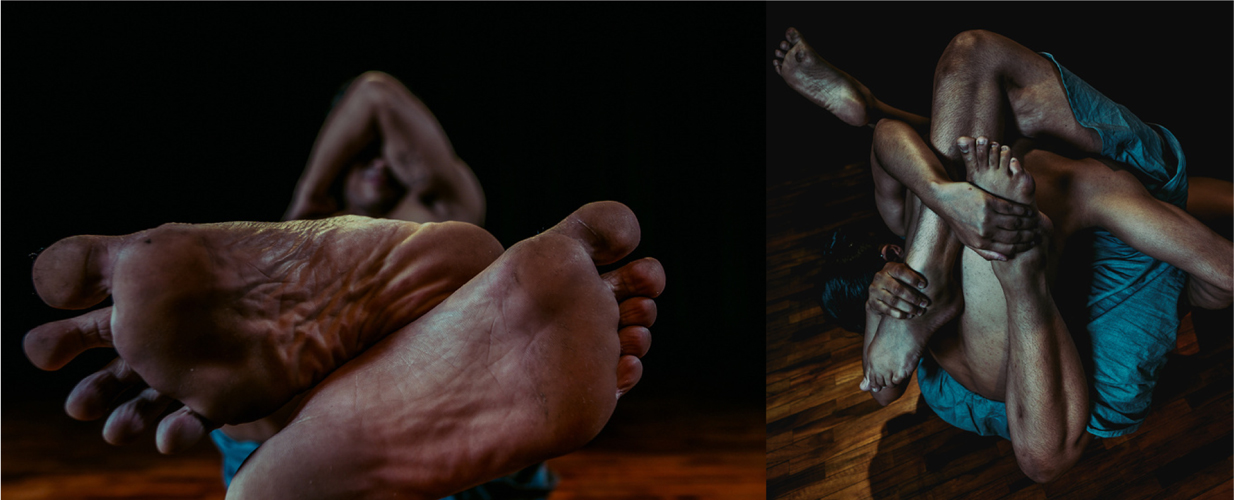
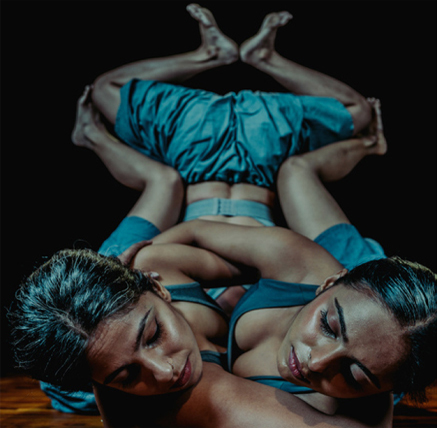
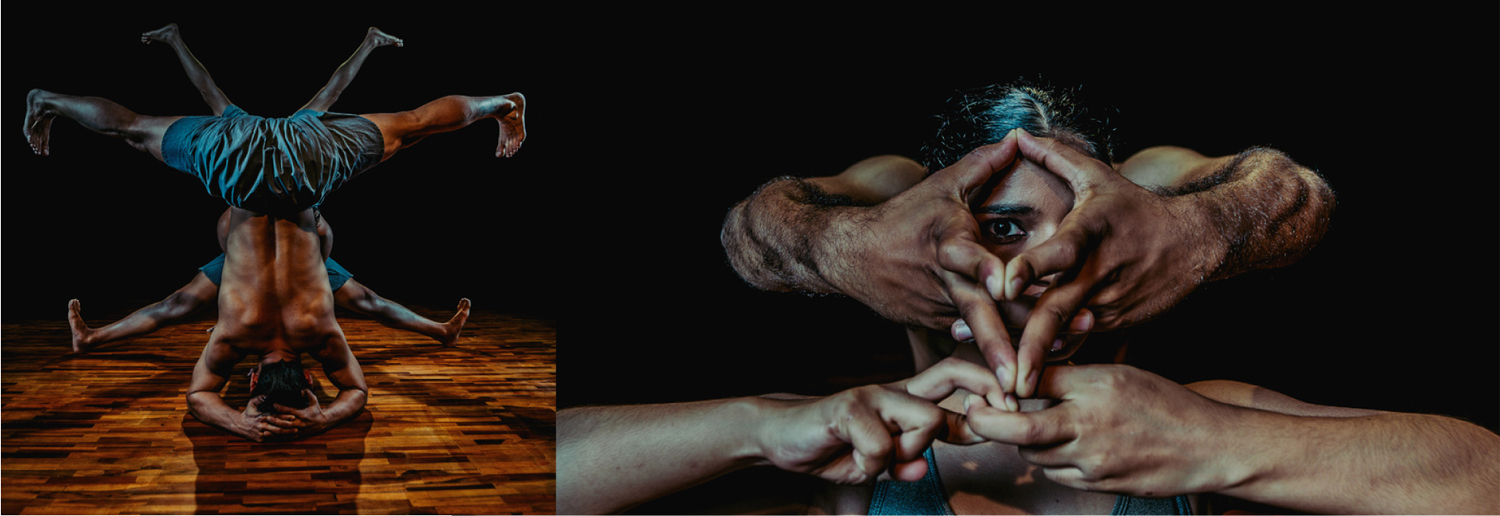
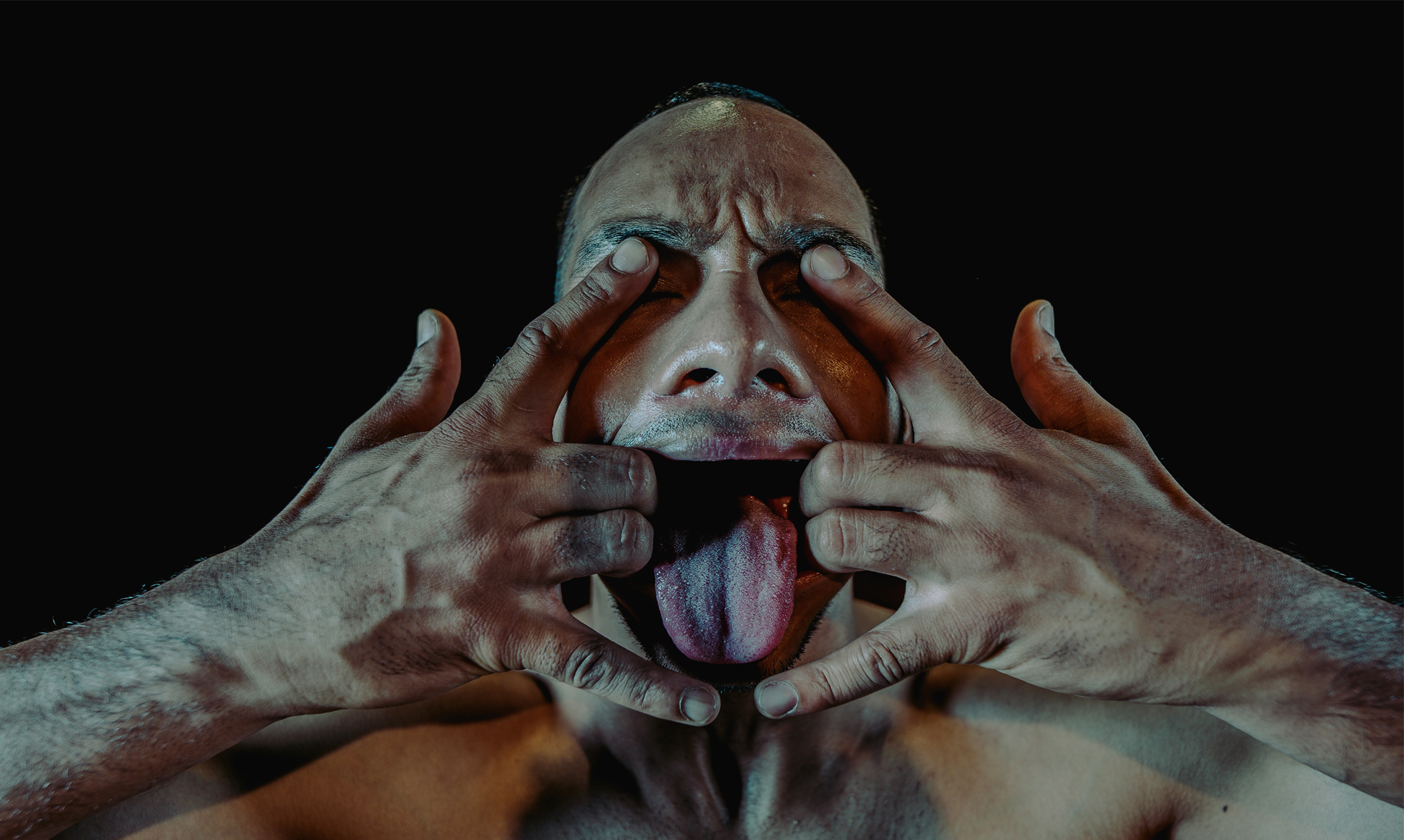
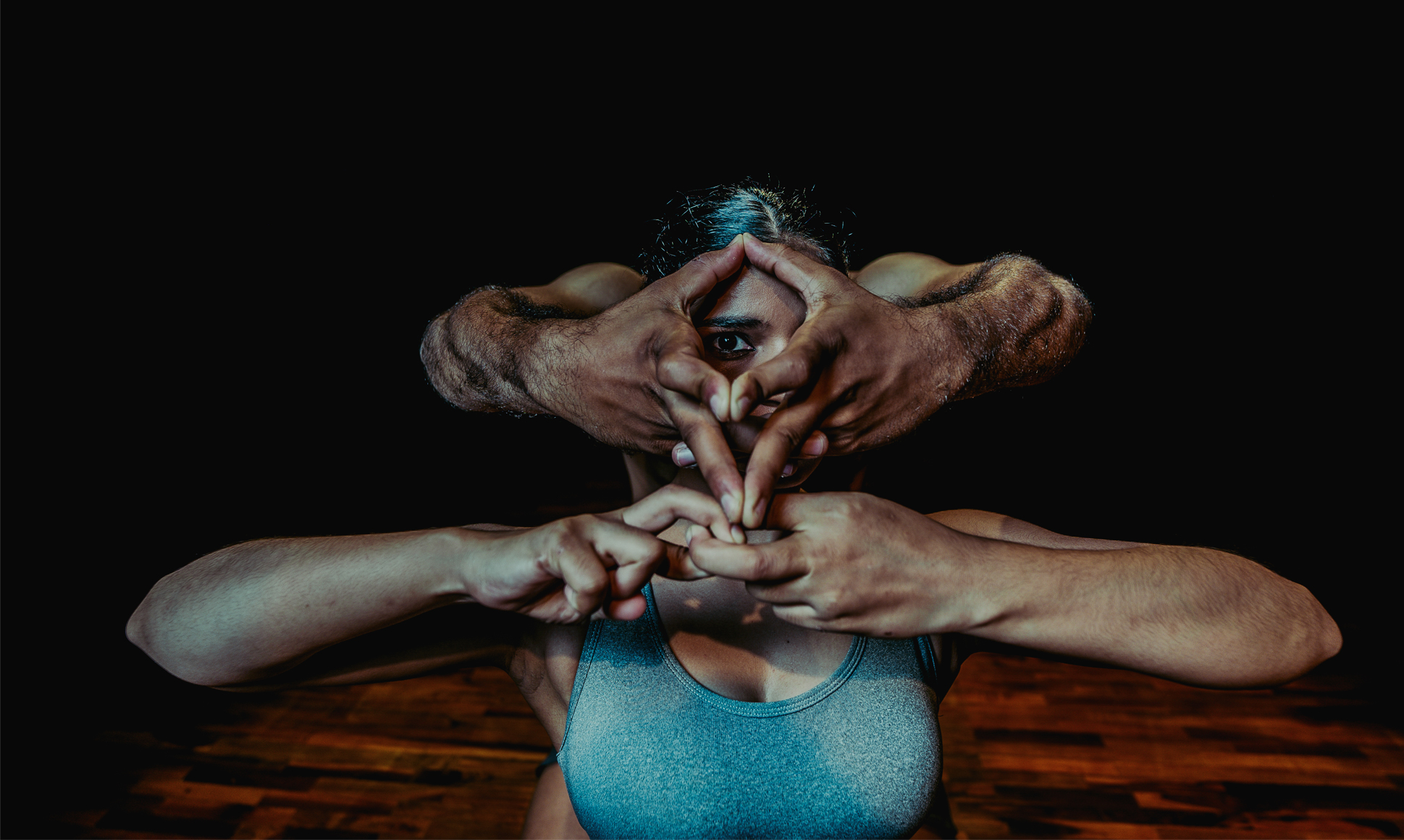
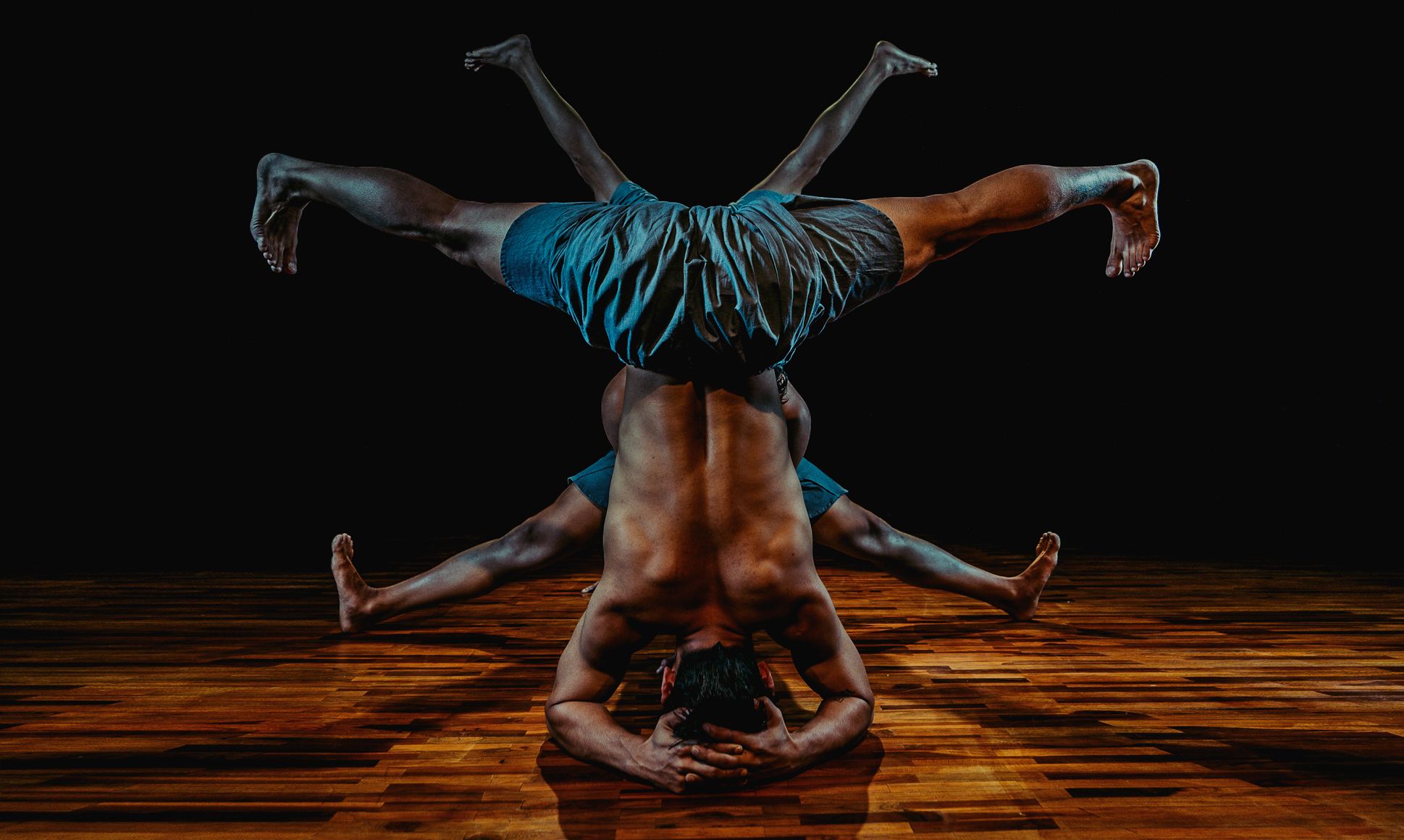
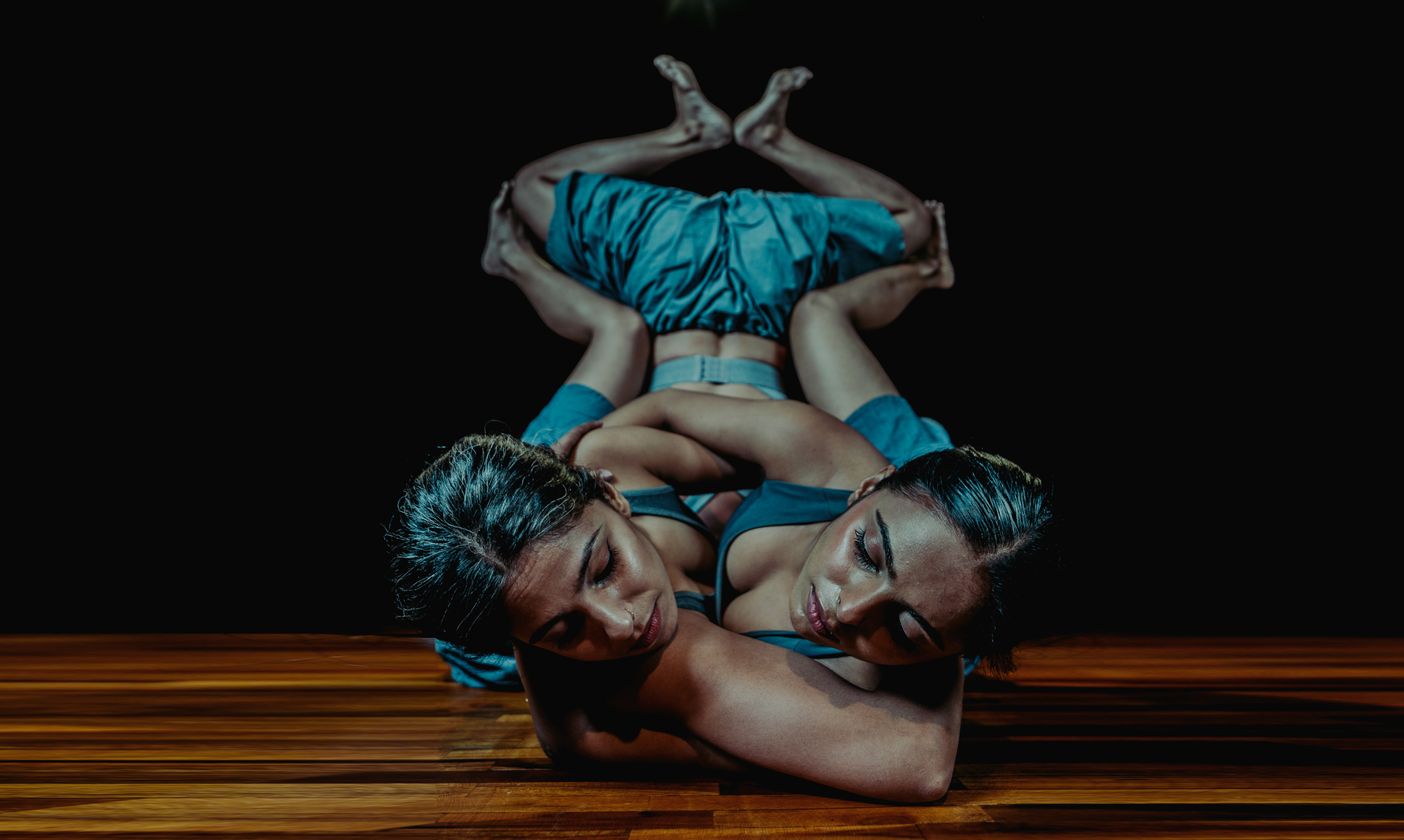
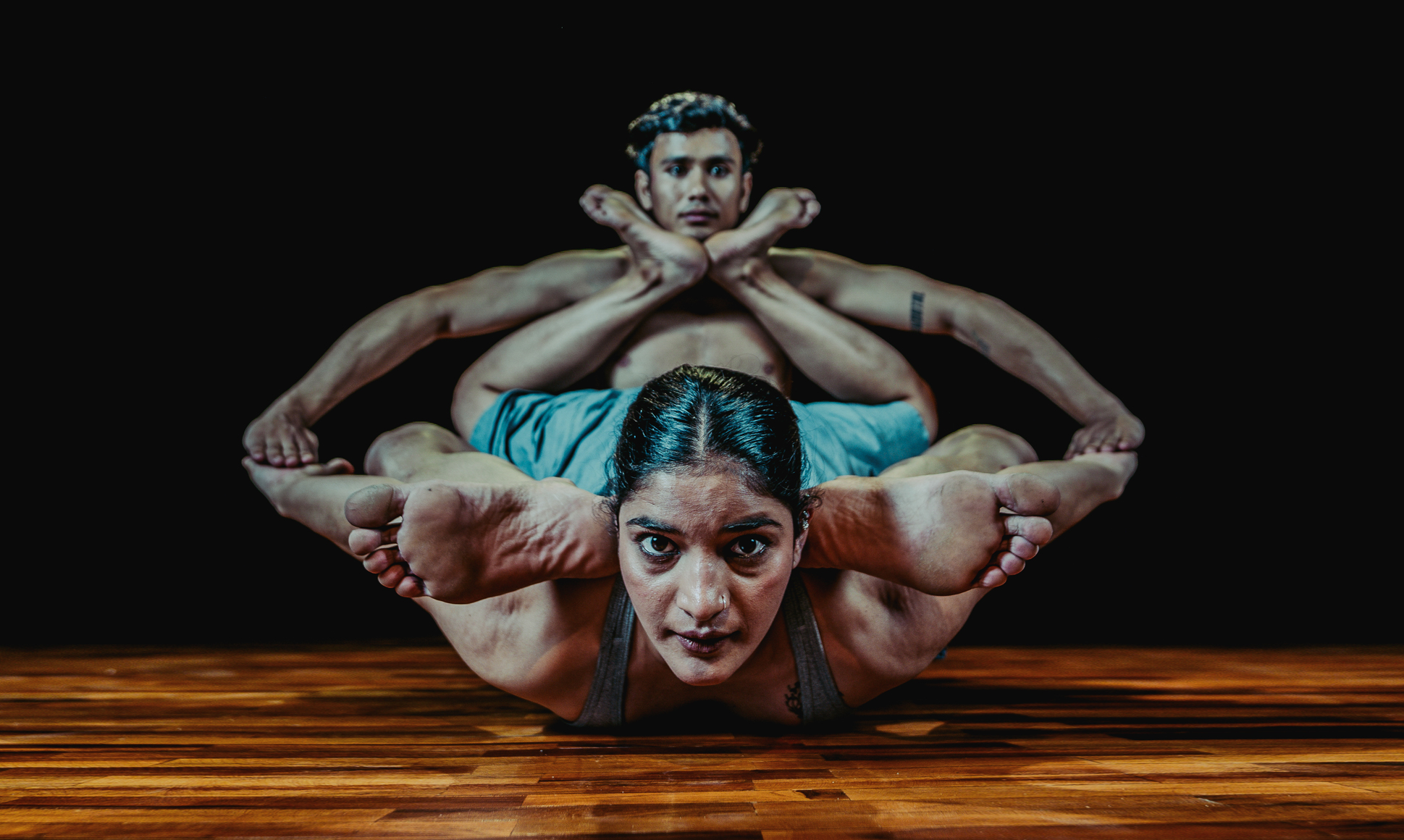
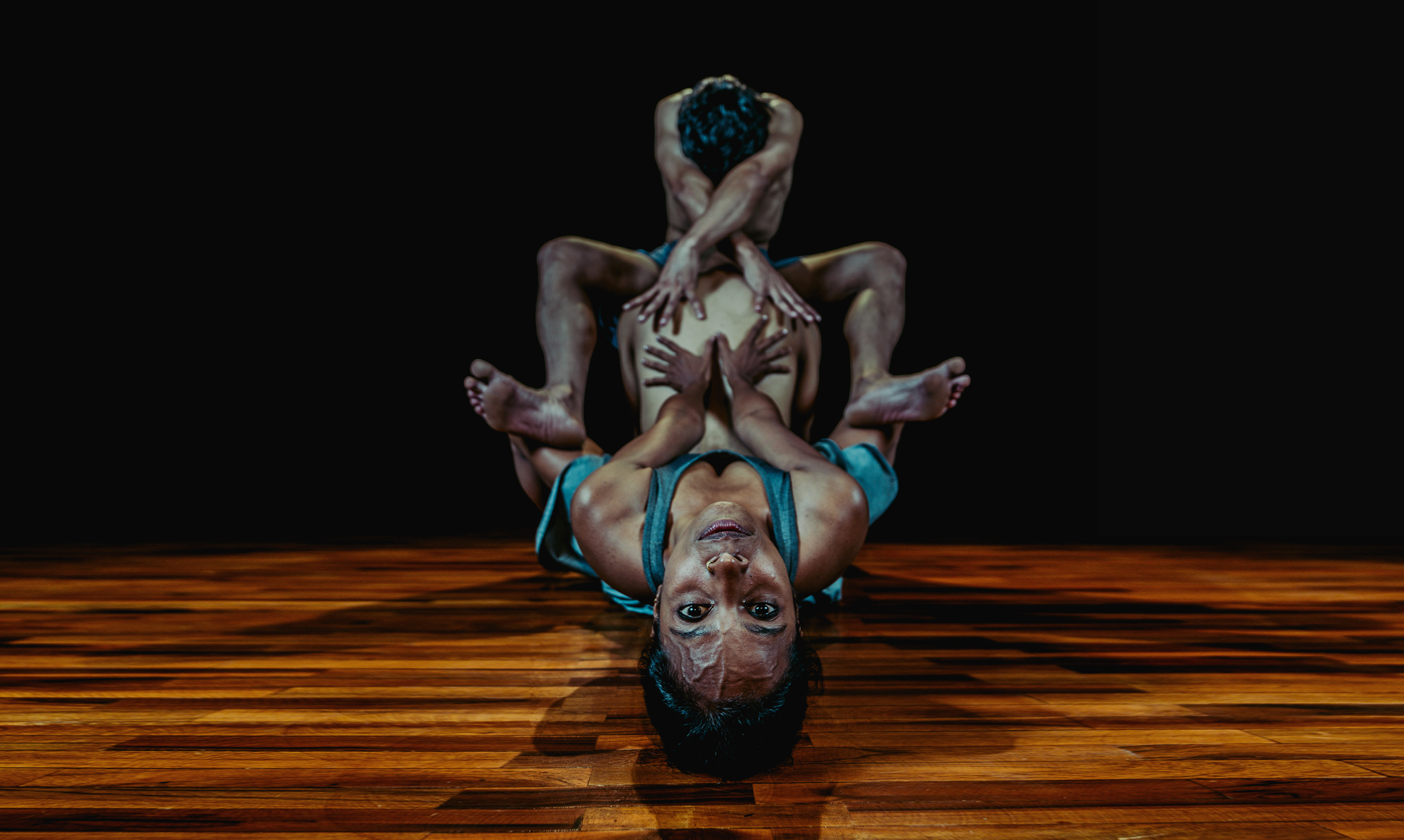
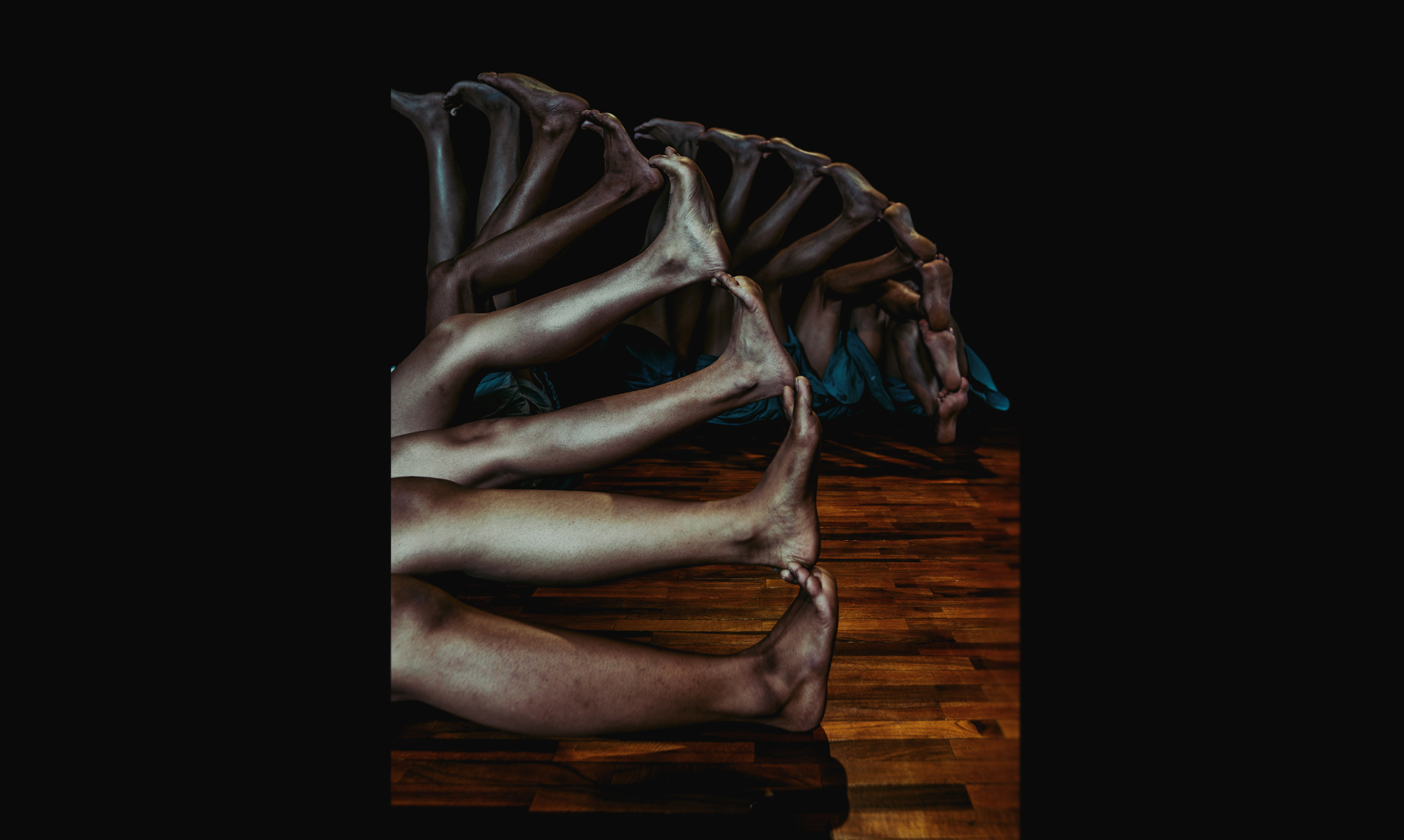
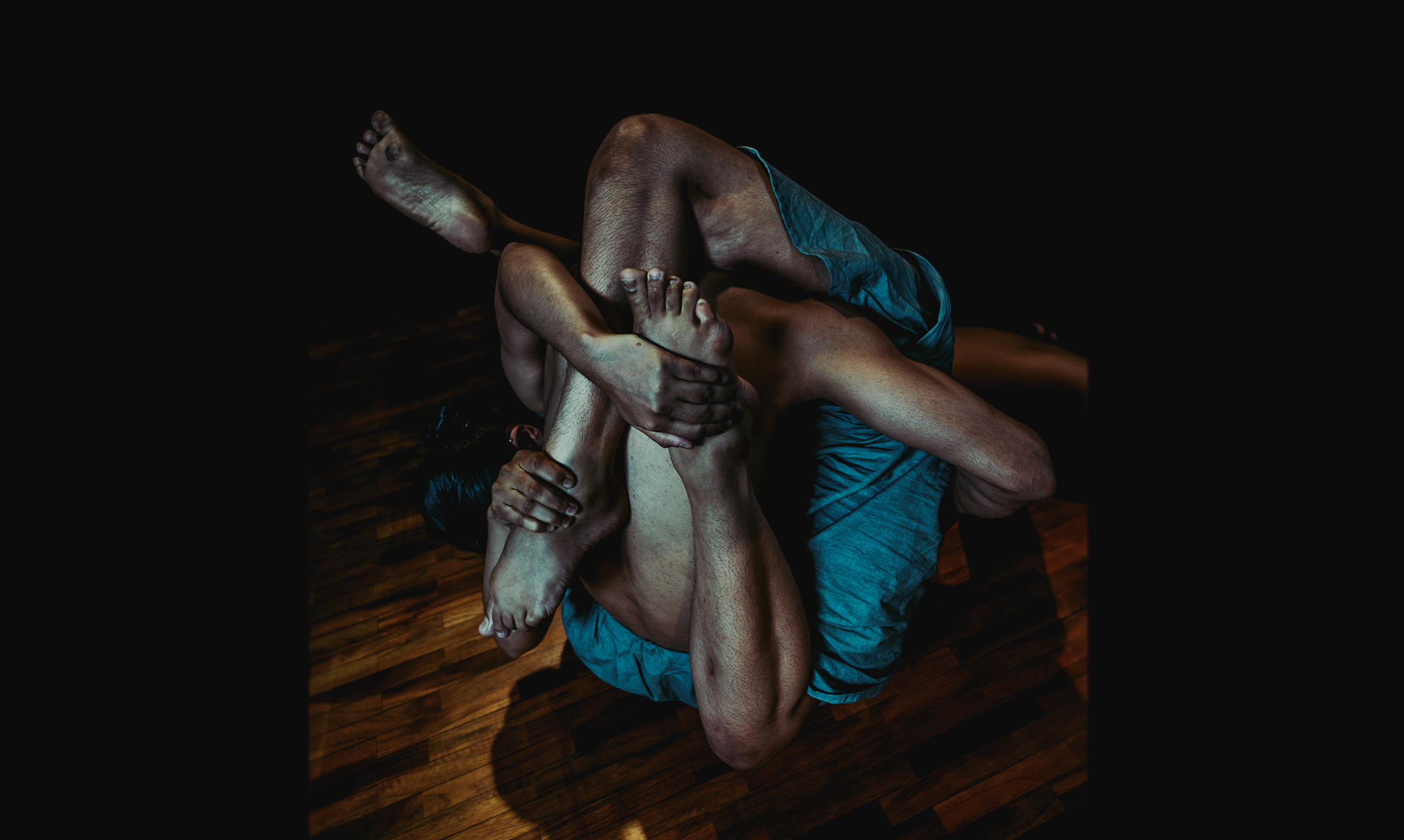
The photographic series within Bodies Have Stories captures the language of the body in its purest, most unguarded form. Each frame becomes a canvas where movement pauses, revealing the delicate intersection of vulnerability and strength, stillness and motion, reality and imagination.

Through light, texture, and gesture, these images explore how the body carries memory and how every curve, scar, and shadow becomes a record of lived experience. They invite the viewer to look beyond aesthetics, to see the raw humanity that lies within form.

“ I am more than my body,
the shapes and curves.. ”

These photographs are not portraits of perfection, but reflections of truth. They celebrate the resilience of the human spirit and the poetry that lives within our skin. In every image, the body tells a story, of survival, connection, and becoming.

Āharya & Sātvika

“Bodies Have Stories” is an evocative screen dance film that invites us to reexamine our relationship with our bodies, memories, and identities. Our bodies, far beyond mere vessels, carry imprints of every experience—joys, traumas, victories, and scars. These imprints, stored as body memories, are more truthful than our minds often reveal. Through this dance, we explore the profound question: Can our bodies, marked by both beauty and pain, be observed, felt, and revered?

Society imposes ideals of perfection—symmetry, flawlessness, and synchrony—upon us, dictating how we should look, move, and feel. But what if we embrace our scars, our imperfections, as symbols of resilience and uniqueness? “Bodies Have Stories” challenges these constructs, urging us to liberate our spirits and tell the true tale of our bodies. The dance celebrates the diversity of form, the strength of will, and the beauty of difference.

Through the reminiscence choreographed into movement, this story seeks to break down the stereotypes that restrict our understanding of identity and beauty. It asks us to move beyond superficial judgments and societal expectations, to listen to the stories our bodies tell, and to embrace our physical and emotional truths. In a world that demands conformity, “Bodies Have Stories” lends a lens of kindness—an invitation to view ourselves and others with compassion, embracing the imperfections that make us unique, and celebrating the strength that lies within every body’s untold story.

Powered by